
Dental Cavities: Genetics and Other Factors That Affect Oral Health
2025-01-03

Dr. Filip Suković
Dental Cavities: Genetics and Other Factors That Affect Oral Health
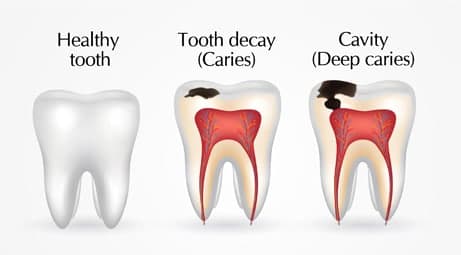
Dental cavities, also known as tooth decay, are among the most prevalent oral health issues worldwide. They develop when harmful bacteria in the mouth produce acids that erode the protective enamel layer of teeth. While poor oral hygiene and dietary choices are well-known contributors, genetics and other factors can also play a significant role in determining an individual’s susceptibility to cavities. This comprehensive guide explores these influences and offers actionable steps for prevention.
1. Understanding the Role of Genetics
Genetics can have a profound impact on your oral health. Certain hereditary traits make some individuals more prone to cavities than others. Key genetic factors include:
- Enamel Strength: The thickness and mineral composition of enamel can vary based on genetics. Thinner or less mineralized enamel is more vulnerable to acid attacks.
- Saliva Production and Composition: Saliva acts as a natural defense against cavities by neutralizing acids and washing away food particles. Genetic variations can affect both the quantity and quality of saliva.
- Tooth Shape and Alignment: Crowded, overlapping, or irregularly shaped teeth can create hard-to-clean areas where plaque and bacteria accumulate, increasing cavity risk.
- Microbial Susceptibility: Genetic predispositions may influence the types of bacteria that thrive in your oral microbiome, some of which are more cariogenic (cavity-causing).
2. The Impact of Diet and Lifestyle
While genetics set the stage, diet and lifestyle choices play a crucial role in cavity formation. The foods and drinks you consume can either support oral health or fuel cavity-causing bacteria.
Dietary Contributors to Cavities:
- Sugary Foods and Drinks: Bacteria feed on sugars to produce acids that erode enamel. This includes candies, cakes, and sugary beverages like sodas and energy drinks.
- Acidic Foods and Drinks: Citrus fruits, vinegar-based dressings, and carbonated drinks can directly weaken enamel.
- Frequent Snacking: Regular snacking, especially without brushing afterward, provides a continuous supply of fuel for bacteria.
Additionally, lifestyle habits such as smoking or using tobacco products can dry out the mouth and increase cavity risk. Excessive alcohol consumption can also reduce saliva flow, exacerbating the problem.
3. Importance of Oral Hygiene Habits
Consistent oral hygiene practices are essential for preventing cavities. Without proper care, plaque—a sticky film of bacteria—builds up on teeth and gums, increasing the risk of decay.
Key Practices for Better Oral Hygiene:
- Brush Effectively: Brush twice daily using a fluoride toothpaste. Spend at least two minutes each time, ensuring you cover all surfaces of your teeth.
- Floss Daily: Flossing removes plaque and food particles between teeth, areas that a toothbrush cannot reach.
- Use Mouthwash: Antibacterial mouthwashes can reduce harmful bacteria and freshen breath.
- Regular Dental Visits: Professional cleanings and exams help detect early signs of decay and prevent its progression.
4. Medical Conditions and Medications
Certain health conditions and medications can indirectly contribute to the development of cavities. Examples include:
- Dry Mouth (Xerostomia): Conditions such as Sjögren’s syndrome or side effects from medications (e.g., antihistamines, antidepressants, and diuretics) can reduce saliva flow, compromising the mouth’s natural defense mechanisms.
- Acid Reflux: Gastroesophageal reflux disease (GERD) can expose teeth to stomach acids, eroding enamel and increasing cavity risk.
- Diabetes: Elevated glucose levels in saliva can promote bacterial growth, leading to a higher risk of cavities and gum disease.
- Orthodontic Appliances: Braces or other dental devices can create additional areas where food particles and plaque accumulate.
5. Preventing Cavities: Practical Tips
While genetics and medical conditions may increase susceptibility, proactive steps can significantly reduce the risk of cavities:
- Adopt a Tooth-Friendly Diet: Reduce sugar intake, eat calcium-rich foods, and drink plenty of water to maintain a healthy oral environment.
- Use Fluoride Products: Fluoride strengthens enamel and can reverse early signs of decay. Use fluoride toothpaste and consider fluoride treatments if recommended by your dentist.
- Chew Sugar-Free Gum: Stimulates saliva production, which helps neutralize acids and remove debris.
- Consider Dental Sealants: Protective coatings applied to molars can shield vulnerable areas from plaque and bacteria.
- Stay Hydrated: Drinking water, especially fluoridated water, helps wash away food particles and bacteria.
Conclusion
Dental cavities arise from a combination of genetic, dietary, and lifestyle factors. By understanding your unique risk profile and implementing preventive measures, you can significantly reduce the likelihood of tooth decay. Regular communication with your dentist is crucial in developing a personalized approach to maintain optimal oral health. Take charge of your oral hygiene today and enjoy a lifetime of healthy, confident smiles.